Manufacturing Authority10 min read

Factory Quality Control Standards: Ensuring Automotive Excellence

An in-depth look at our comprehensive quality control system, testing methodologies, and inspection protocols that ensure every steering wheel meets OEM-grade standards.

Y

YUNZ AUTO Quality Team

Published: January 2016
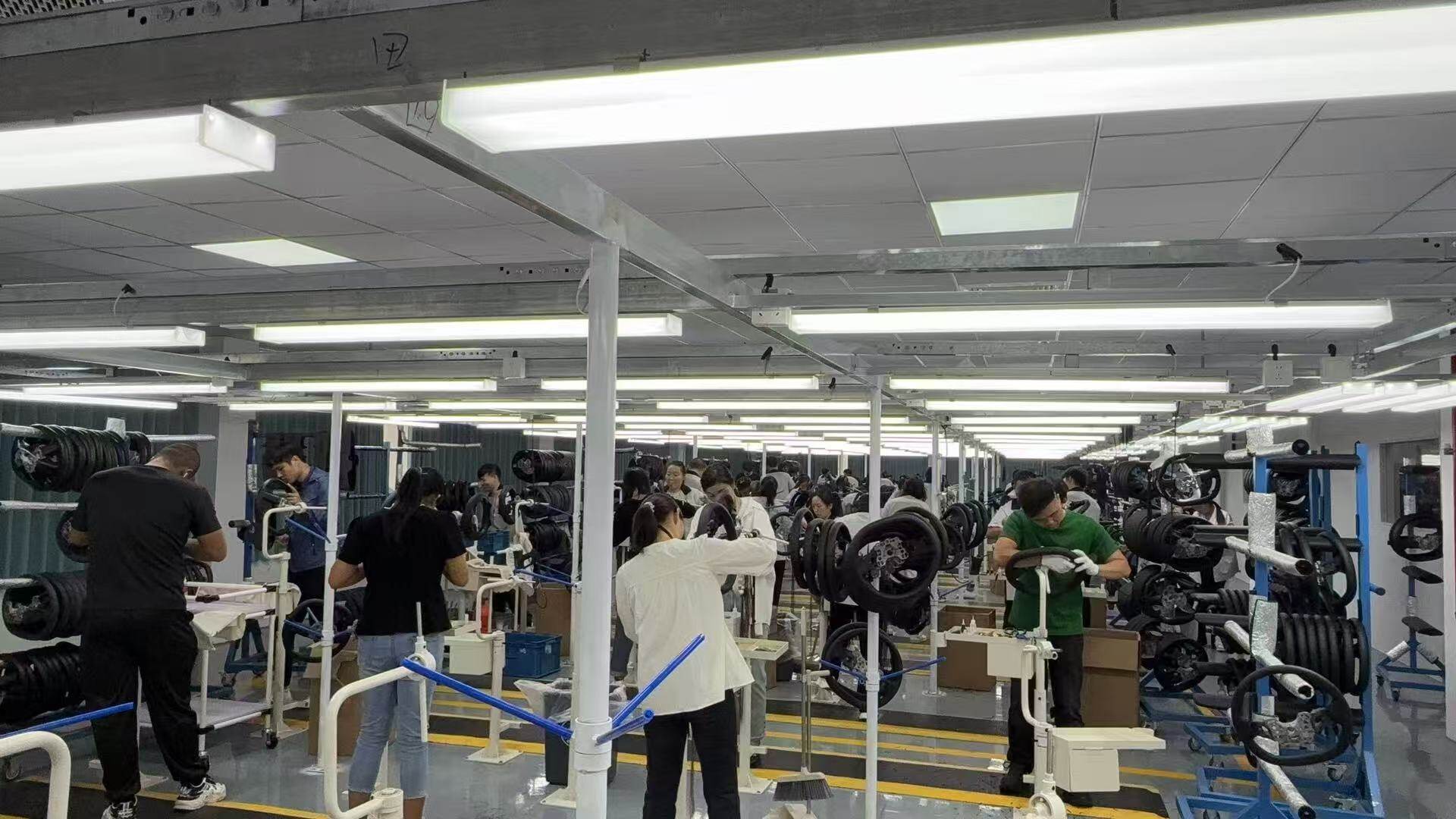
Quality control inspection station in automotive factory

1. Quality Management Framework

Our quality management system is built on ISO 9001 foundation with automotive-specific enhancements following IATF 16949 guidelines. This framework ensures consistent quality across all production batches.

Core Quality Principles:

Customer Focus

Meeting and exceeding customer expectations

Process Approach

Systematic management of all operations

Evidence-Based Decisions

Data-driven quality improvements

Continuous Improvement

Ongoing optimization of all processes

2. Incoming Material Inspection

Quality control begins with rigorous inspection of all incoming raw materials. No material enters production without passing our comprehensive verification process.

Material inspection laboratory testing equipment

Inspection Criteria:

  • Certificate of Analysis (CoA) verification for each batch
  • Visual inspection for surface defects and contamination
  • Dimensional sampling and measurement
  • Material composition spectroscopy analysis
  • Mechanical property testing (tensile strength, hardness)
  • Storage condition verification and shelf life tracking

3. In-Process Quality Control

Real-time quality monitoring during production ensures immediate detection and correction of any deviations from specifications.

Layup Stage

  • • Ply orientation verification
  • • Resin content measurement
  • • Void content inspection

Curing Stage

  • • Temperature profile monitoring
  • • Pressure verification
  • • Cycle time validation

Machining Stage

  • • Dimensional accuracy check
  • • Surface finish inspection
  • • Edge quality assessment

4. Final Product Testing

Every completed steering wheel undergoes comprehensive final inspection before approval for shipment. Our testing covers visual, dimensional, and functional aspects.

100% Inspection Items:

Visual Inspection

  • • Surface finish quality (gloss/matte consistency)
  • • Carbon fiber weave pattern alignment
  • • Absence of voids, cracks, or delamination
  • • Stitching quality and consistency (if applicable)

Dimensional Verification

  • • Overall diameter and thickness
  • • Mounting hole pattern accuracy
  • • Spoke positioning and alignment
  • • Button and control placement

Functional Testing

  • • Electrical continuity for heated wheels
  • • Button actuation testing
  • • LED display functionality (if equipped)
  • • Airbag connector verification

5. Laboratory Testing Capabilities

Our in-house laboratory conducts advanced testing to validate product performance under various conditions and ensure long-term durability.

Mechanical Testing

  • Torque resistance test (500 Nm minimum)
  • Impact resistance validation
  • Vibration testing (simulating road conditions)
  • Fatigue cycle testing (100,000+ cycles)

Environmental Testing

  • Temperature cycling (-40°C to +85°C)
  • UV exposure testing (QUV accelerated)
  • Humidity resistance (95% RH testing)
  • Chemical resistance (sweat, cleaners, fuels)

6. Traceability and Documentation

Complete traceability ensures accountability and enables rapid response to any quality concerns. Every product can be traced back to its origin.

  • Unique serial number assignment to each unit
  • Batch tracking for all raw materials used
  • Production date and shift recording
  • Operator identification for each process step
  • Quality inspection records with inspector ID
  • Test results archived for minimum 10 years

7. Non-Conformance Management

When non-conformances occur, our systematic approach ensures proper containment, root cause analysis, and preventive action implementation.

NCMR Process Flow:

  1. Immediate containment and quarantine of affected products
  2. Documentation in Non-Conformance Material Report (NCMR)
  3. Root cause analysis using 5-Why or Fishbone methodology
  4. Corrective action implementation and verification
  5. Preventive action to prevent recurrence
  6. Effectiveness review and closure

Quality You Can Trust

Our comprehensive quality system ensures every steering wheel meets the highest automotive industry standards. Request quality documentation for your project.