Table of Contents
Introduction: Why Material Selection Matters
The steering wheel is the primary point of contact between driver and vehicle, making material selection critical for comfort, safety, and driving experience. Different materials offer distinct advantages in terms of grip, durability, aesthetics, and maintenance requirements.
For B2B buyers, distributors, and tuning shops, understanding the characteristics of each material is essential for matching products to customer needs and market segments. This comprehensive guide examines the four primary steering wheel materials used in premium automotive applications.
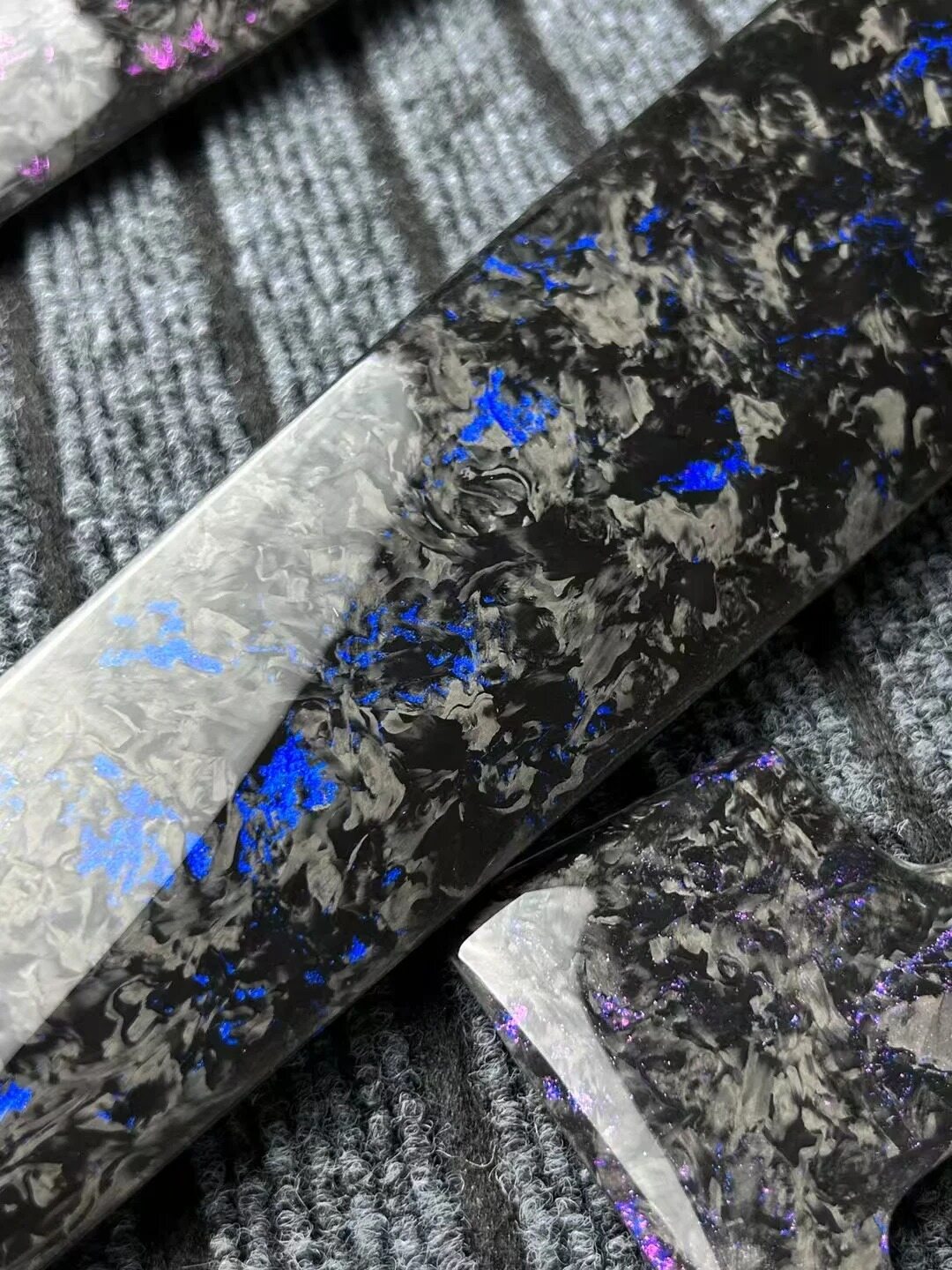
Carbon Fiber: Performance and Aesthetics
Carbon fiber has become the material of choice for performance-oriented steering wheels, offering exceptional strength-to-weight ratio and distinctive visual appeal.
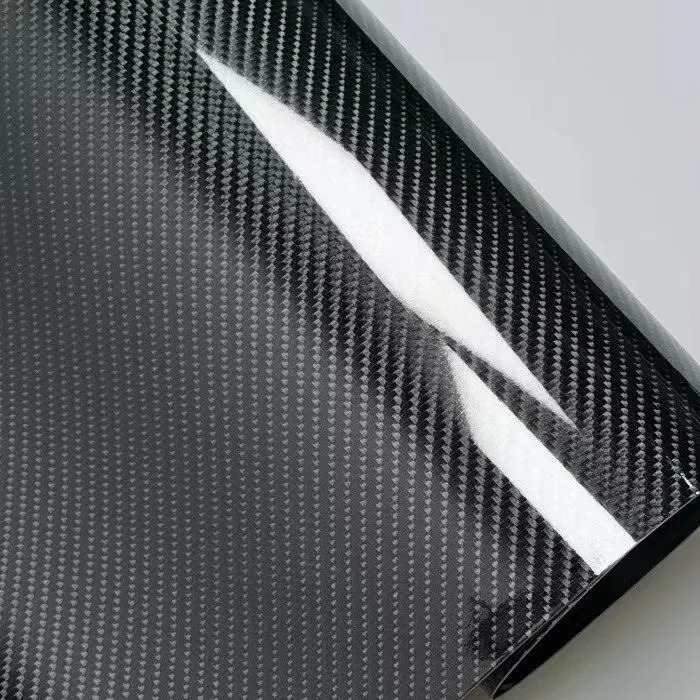
Plain Weave Carbon
Classic checkerboard pattern, most common and cost-effective carbon fiber option.
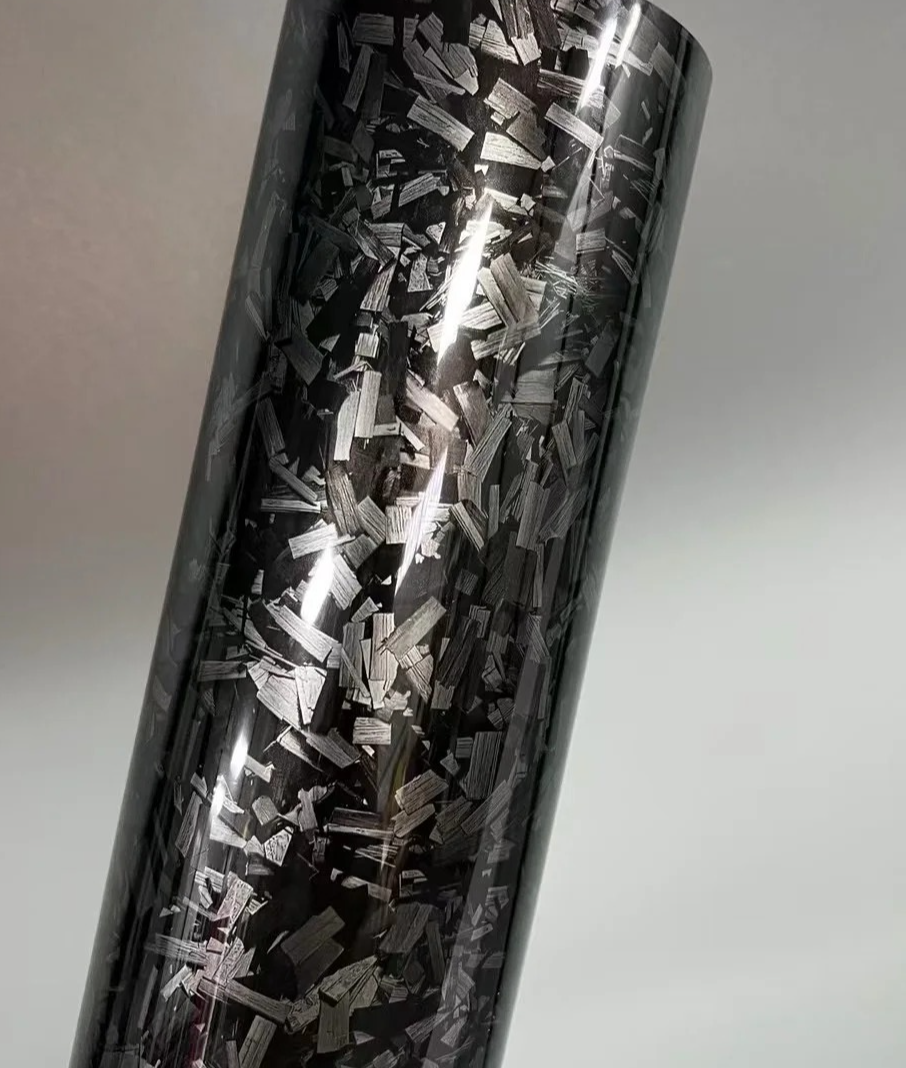
Forged Carbon
Unique marbled appearance, lighter weight, increasingly popular in luxury applications.
Advantages
- ✓Exceptional Strength: Superior tensile strength compared to steel at fraction of weight
- ✓Lightweight: Reduces unsprung mass, improves vehicle dynamics
- ✓Visual Appeal: Distinctive weave pattern signals performance and luxury
- ✓Durability: Resistant to UV degradation, moisture, and temperature extremes
- ✓Customization: Available in plain weave, twill weave, forged, and colored variants
Considerations
- •Grip: Smooth surface requires additional grip enhancements (Alcantara inserts, texture treatment)
- •Temperature: Can feel cold in winter, hot in summer without climate control
- •Cost: Higher material and manufacturing costs than traditional materials
- •Repair: Damage difficult to repair, often requires complete replacement
Best Applications
- • Performance and sports cars
- • Luxury vehicle upgrades
- • Motorsport and track applications
- • Visual-focused customization projects
- • Customers prioritizing aesthetics and prestige
Genuine Leather: OEM Comfort and Durability
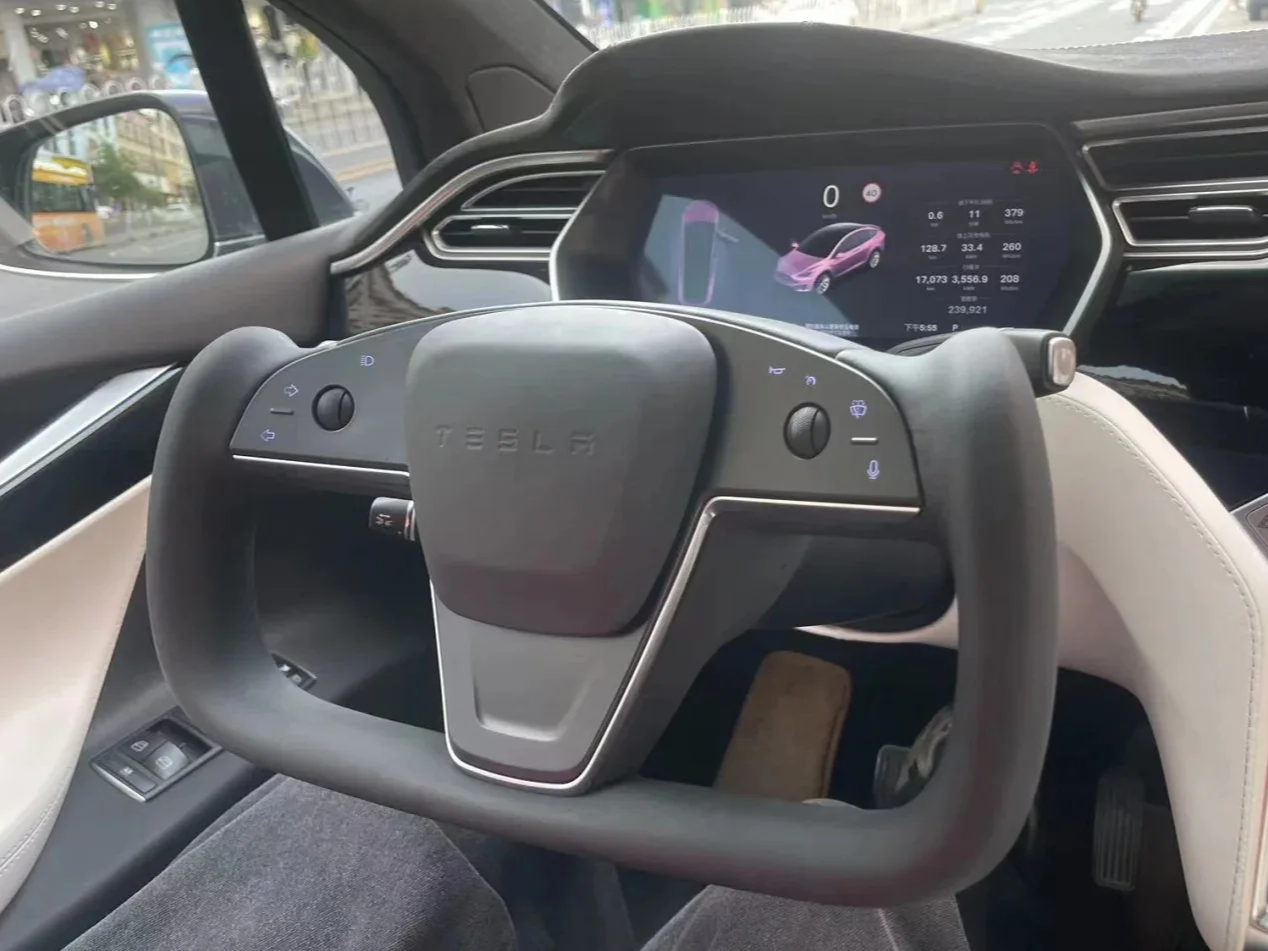
Genuine leather remains the gold standard for OEM steering wheels, offering exceptional comfort, durability, and timeless appeal. Premium Nappa leather is commonly used in luxury vehicles.
Advantages
- ✓Comfort: Soft, supple feel that conforms to hands over time
- ✓Durability: Excellent longevity with proper care (10+ years typical)
- ✓Temperature Stability: Remains comfortable in varying climates
- ✓OEM Appearance: Maintains factory-original look and feel
- ✓Repair Options: Minor damage can be repaired or refinished
- ✓Color Options: Available in black, tan, red, blue, and custom colors
Considerations
- •Maintenance: Requires regular conditioning to prevent drying and cracking
- •Grip: Less grip than Alcantara when wet or sweaty
- •Break-in Period: Requires time to develop optimal patina and feel
- •Quality Variation: Significant difference between genuine leather grades
Leather Grades
- Nappa Leather: Premium full-grain leather, softest and most luxurious, used in high-end vehicles (Mercedes S-Class, BMW 7 Series, Porsche)
- Semi-Aniline: Mid-grade leather with light protective coating, good balance of durability and feel
- Corrected Grain: Entry-level leather with surface treatment, more durable but less natural feel
Best Applications
- • Luxury sedans and SUVs
- • OEM replacement market
- • Daily driver comfort priority
- • Customers valuing traditional luxury
- • Long-term ownership scenarios
Alcantara: Motorsport Grip and Feel
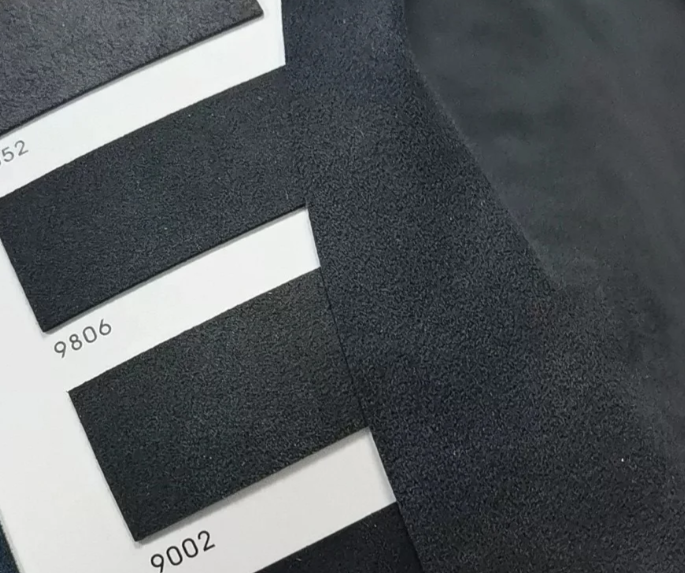
Alcantara is a synthetic suede-like material widely used in motorsport and performance applications. Despite common misconception, Alcantara contains no animal products – it's a patented synthetic material composed of polyester and polyurethane.
Advantages
- ✓Superior Grip: Exceptional grip even with sweaty hands or wet conditions
- ✓Soft Feel: Luxurious suede-like texture pleasant to touch
- ✓Temperature Neutral: Doesn't get excessively hot or cold
- ✓Motorsport Heritage: Associated with racing and high-performance vehicles
- ✓Color Variety: Available in extensive color palette including custom options
- ✓UV Resistance: Excellent resistance to fading and degradation
Considerations
- •Maintenance: Requires regular brushing and cleaning to maintain appearance
- •Wear Patterns: Shows wear and shine in high-contact areas over time
- •Cleaning: Requires specific Alcantara cleaner, cannot use standard leather products
- •Cost: Premium material with higher cost than standard leather
- •Authenticity: Only genuine Alcantara® brand material should be used (avoid generic "suede")
Best Applications
- • Performance and sports cars
- • Motorsport and track day vehicles
- • Aggressive driving styles
- • Hot climate regions
- • Customers prioritizing grip and feel over traditional luxury
Perforated Leather: Enhanced Comfort
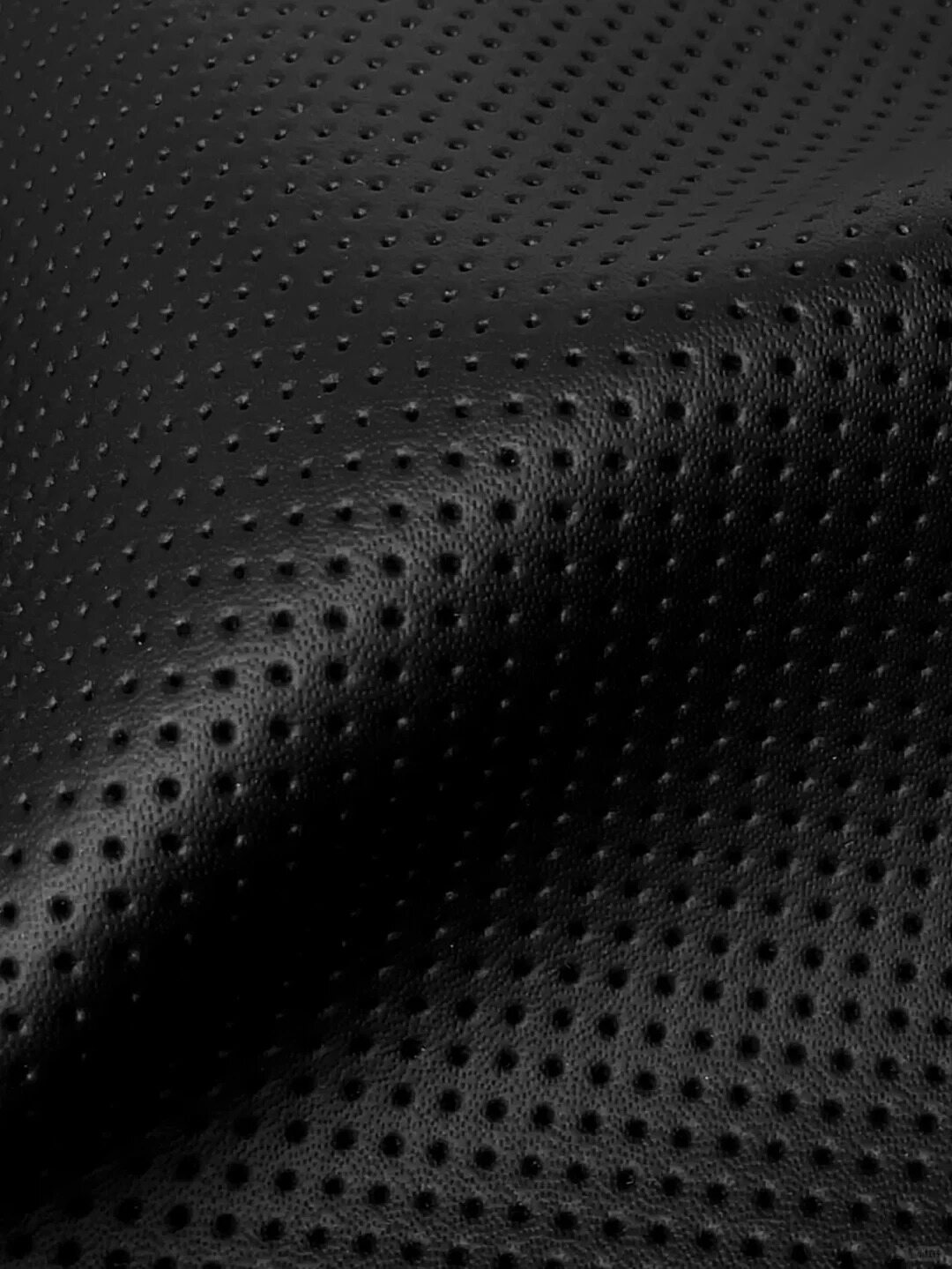
Perforated leather features small holes punched through the material to improve breathability and comfort, especially in heated and ventilated steering wheel applications.
Advantages
- ✓Breathability: Improved airflow reduces heat and moisture buildup
- ✓Heated Steering Enhancement: Perforations allow heat to transfer more effectively
- ✓Visual Texture: Distinctive appearance adds visual interest
- ✓Improved Grip: Slightly better grip than smooth leather
- ✓Comfort: Softer feel due to perforation flexibility
Considerations
- •Cleaning: Perforations can trap dirt and require more careful cleaning
- •Durability: Slightly less durable than solid leather in high-wear areas
- •Moisture: Can absorb moisture more readily than solid leather
Best Applications
- • Heated and ventilated steering wheels
- • Hot climate regions
- • Luxury vehicles with climate-controlled seats
- • Long-distance driving comfort
- • Customers seeking enhanced comfort features
Material Comparison Table
| Property | Carbon Fiber | Genuine Leather | Alcantara | Perforated Leather |
|---|---|---|---|---|
| Grip Performance | Fair (requires texture) | Good | Excellent | Very Good |
| Durability | Excellent | Excellent | Good | Very Good |
| Comfort | Fair | Excellent | Very Good | Excellent |
| Maintenance | Low | Moderate | High | Moderate-High |
| Temperature Stability | Poor | Excellent | Very Good | Excellent |
| Aesthetic Appeal | Excellent | Excellent | Very Good | Very Good |
| Cost | High | Moderate-High | High | Moderate-High |
| Best For | Performance/Luxury | OEM Comfort | Motorsport | Climate Control |
Hybrid Material Configurations
Many premium steering wheels combine multiple materials to leverage the advantages of each. Common hybrid configurations include:
Carbon Fiber + Alcantara
Carbon fiber spokes and frame with Alcantara grip zones at 9 and 3 o'clock positions.
Benefits: Combines visual appeal of carbon with superior grip of Alcantara where needed most.
Leather + Carbon Fiber Trim
Leather-wrapped rim with carbon fiber accents on spokes and center section.
Benefits: Maintains OEM comfort while adding sporty visual elements.
Alcantara + Perforated Leather
Alcantara grip zones with perforated leather sections for comfort and breathability.
Benefits: Optimizes grip and comfort for performance driving with climate control.
Full Carbon + Textured Grip
Full carbon fiber construction with laser-etched or molded grip texture.
Benefits: Maximum visual impact with functional grip enhancement.
Maintenance Requirements by Material
Carbon Fiber Maintenance
- • Clean with mild soap and water solution
- • Dry immediately with microfiber cloth
- • Apply UV-protectant spray monthly
- • Avoid abrasive cleaners or scrubbing pads
- • Inspect for cracks or delamination annually
Leather Maintenance
- • Clean with pH-balanced leather cleaner every 2-3 months
- • Condition with leather conditioner quarterly
- • Avoid direct sunlight exposure when parked
- • Wipe away moisture immediately
- • Professional refinishing every 3-5 years for heavy use
Alcantara Maintenance
- • Brush regularly with soft-bristle brush to maintain nap
- • Clean with dedicated Alcantara cleaner only
- • Avoid water saturation
- • Use eraser for stain removal (gentle rubbing)
- • Professional cleaning recommended annually for heavy use
Perforated Leather Maintenance
- • Use soft brush to clean perforations
- • Avoid wax-based conditioners that clog holes
- • Use compressed air to clear debris from perforations
- • Clean more frequently than solid leather
- • Condition sparingly to prevent buildup
Cost Considerations for B2B Buyers
Material selection significantly impacts product cost and profit margins. Understanding cost drivers helps B2B buyers make informed inventory and pricing decisions.
Relative Cost Ranking (Highest to Lowest)
- Forged Carbon + Alcantara Hybrid: Premium materials with complex manufacturing
- Full Carbon Fiber (Plain/Twill Weave): High material cost, labor-intensive layup
- Genuine Alcantara: Branded material with premium pricing
- Nappa Leather: Premium leather grade with skilled labor requirements
- Perforated Leather: Additional processing adds cost to standard leather
- Standard Genuine Leather: Most cost-effective premium option
Margin Considerations
While premium materials have higher upfront costs, they also command higher retail prices and profit margins. B2B buyers should consider:
- • Customer willingness to pay for premium materials
- • Market positioning (budget vs. luxury segment)
- • Inventory turnover rates by material type
- • Warranty and return rates by material
- • Cross-selling opportunities (matching interior components)
Frequently Asked Questions
Which steering wheel material is most durable?
Carbon fiber and genuine leather are generally the most durable materials for long-term automotive use. Carbon fiber offers exceptional resistance to environmental factors, while high-quality leather develops a desirable patina over time and can last 10+ years with proper care.
What is the advantage of Alcantara steering wheels?
Alcantara provides superior grip performance, especially in wet or sweaty conditions, making it ideal for performance driving and motorsport applications. It also offers excellent temperature stability and a luxurious suede-like feel.
Is perforated leather better than regular leather?
Perforated leather improves airflow and comfort, especially in heated steering wheel systems. The perforations allow heat to transfer more effectively and reduce moisture buildup. However, perforated leather requires more careful maintenance and may show wear slightly faster than solid leather in high-contact areas.
Conclusion
There is no single "best" steering wheel material – the optimal choice depends on specific use cases, customer preferences, climate conditions, and budget considerations. Carbon fiber excels in visual appeal and strength, leather offers timeless comfort and durability, Alcantara provides unmatched grip for performance applications, and perforated leather enhances comfort in climate-controlled systems.
For B2B buyers, offering a range of material options allows you to serve diverse customer segments and maximize market opportunity. Understanding the characteristics, advantages, and trade-offs of each material enables informed recommendations and satisfied customers.
Explore Our Material Options
YUNZ AUTO offers steering wheels in all premium materials including carbon fiber, Nappa leather, Alcantara, and custom hybrids. Contact us for detailed product catalogs and pricing.
Request Material Samples

