Table of Contents
Introduction
Choosing a custom steering wheel is one of the most impactful interior upgrades you can make to your BMW, Mercedes, Audi, or Tesla. The steering wheel is not only a critical control interface but also a central visual element that defines your driving experience.
This comprehensive guide covers everything you need to know about selecting the right custom steering wheel, from material selection and compatibility verification to safety considerations and installation best practices. Whether you're upgrading your BMW M3, Mercedes AMG, Audi RS, or Tesla Model S, this guide will help you make an informed decision.
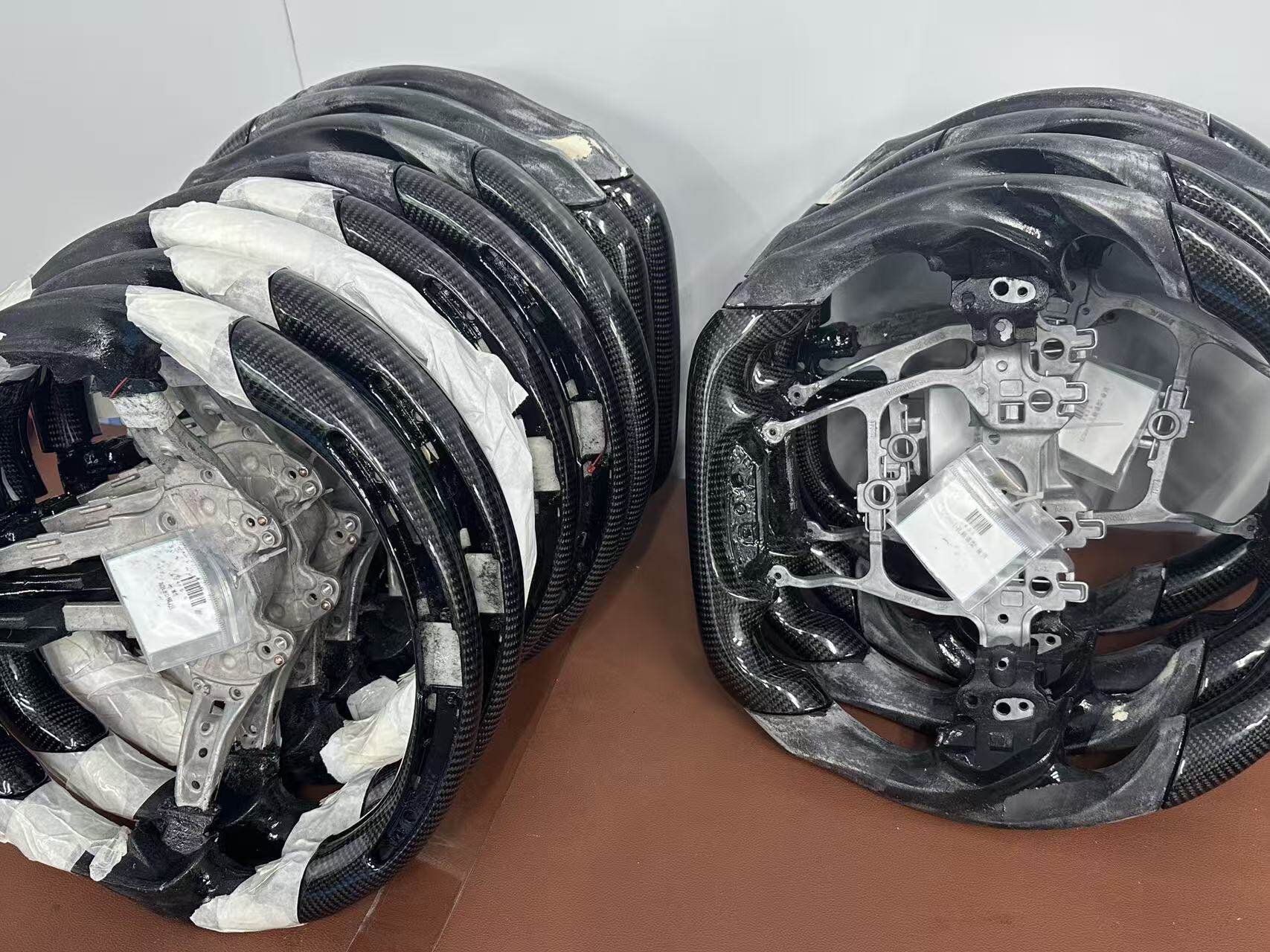
Material Selection: Carbon Fiber vs Leather vs Alcantara
The material choice is perhaps the most important decision when selecting a custom steering wheel. Each material offers distinct advantages in terms of aesthetics, grip, durability, and maintenance requirements.
Carbon Fiber
Carbon fiber has become the gold standard for performance-oriented steering wheel upgrades. The material offers exceptional strength-to-weight ratio and distinctive visual appeal.
- •Advantages: Lightweight, high strength, unique weave patterns, motorsport aesthetic
- •Best for: Performance vehicles, track use, modern interior styling
- •Maintenance: Easy to clean, UV-resistant clear coat protection required
Alcantara
Alcantara is a premium synthetic suede material widely used in high-performance vehicles. It provides exceptional grip and tactile feedback.
- •Advantages: Superior grip, soft touch, sweat-resistant, motorsport heritage
- •Best for: Track driving, performance applications, premium feel
- •Maintenance: Requires regular brushing, avoid moisture exposure
Leather
Genuine leather remains the classic choice for luxury vehicles, offering timeless aesthetics and comfortable daily driving experience.
- •Advantages: Premium appearance, comfortable grip, durable, ages gracefully
- •Best for: Luxury vehicles, daily driving, traditional aesthetics
- •Maintenance: Regular conditioning, avoid direct sunlight exposure
Vehicle Compatibility Considerations
Compatibility is critical when selecting a custom steering wheel. Not all steering wheels are universally compatible, and improper fitment can lead to safety issues and functional problems.
BMW Compatibility
BMW vehicles use specific spline patterns and electronic connections that vary by chassis generation. F30, G20, and G80 platforms each have unique requirements.
- •F30 (2012-2019): Standard spline pattern, iDrive integration
- •G20 (2019+): Updated electronics, touch control support
- •G80 M3: M-specific electronics, drive mode buttons
Mercedes-Benz Compatibility
Mercedes vehicles feature sophisticated electronic systems requiring precise compatibility matching. W205, W213, and W223 platforms have distinct specifications.
- •W205 C-Class: COMAND integration, capacitive sensors
- •W213 E-Class: MBUX compatibility, touch controls
- •W223 S-Class: Latest MBUX system, advanced driver aids
Audi Compatibility
Audi vehicles utilize Volkswagen Group architecture with specific electronic requirements. RS models have additional performance features.
Tesla Compatibility
Tesla vehicles feature unique mounting systems and electronic integration. Model S, 3, X, and Y each have specific requirements, especially for Yoke-style wheels.
OEM vs Aftermarket: Understanding the Difference
Understanding the distinction between OEM and aftermarket steering wheels is essential for making an informed purchase decision. Each option serves different purposes and buyer needs.
OEM Steering Wheels
OEM (Original Equipment Manufacturer) steering wheels are produced to exact factory specifications.
- ✓Guaranteed fitment and compatibility
- ✓Full airbag system integration
- ✓Factory warranty coverage
- ✓Limited customization options
Aftermarket Steering Wheels
Aftermarket steering wheels offer customization and personalization beyond factory options.
- ✓Extensive material and design choices
- ✓Performance-oriented features
- ✓Unique aesthetic customization
- ✓Requires compatibility verification
Safety and Airbag Integration
Safety is paramount when selecting and installing a custom steering wheel. The airbag system is a critical safety component that must function correctly in all circumstances.
Critical Safety Considerations
- ⚠Airbag Compatibility: Ensure the custom steering wheel is designed for your vehicle's specific airbag module
- ⚠Proper Installation: Incorrect installation can compromise airbag deployment
- ⚠Electrical Connections: All horn and airbag connections must be secure
- ⚠Professional Installation Recommended: Certified technicians ensure proper function
Professional Installation vs DIY
While some experienced enthusiasts may consider DIY installation, professional installation is strongly recommended for safety and warranty reasons.
Professional Installation Benefits
- •Certified technicians with vehicle-specific experience
- •Proper airbag system handling and testing
- •Electronic system calibration and coding if required
- •Installation warranty and liability coverage
DIY Installation Risks
- •Potential airbag malfunction if improperly installed
- •Voided vehicle warranty
- •Electronic system errors and fault codes
- •Safety liability concerns
Frequently Asked Questions
Are custom steering wheels compatible with all BMW, Mercedes, Audi and Tesla models?
No. Compatibility depends on steering column spline type, airbag module design, and vehicle electronics system. Each platform requires model-specific verification. Always confirm compatibility with your specific VIN before purchasing.
What is the difference between OEM and aftermarket steering wheels?
OEM steering wheels follow factory specifications for fitment and safety integration, while aftermarket steering wheels focus on customization, material upgrades, and design flexibility. OEM is better for replacement markets, while aftermarket suits tuning and customization businesses.
Which material is best for a custom steering wheel?
Carbon fiber is used for performance styling, leather for OEM comfort, Alcantara for high grip driving, and perforated leather for heat and comfort optimization. The best material depends on your driving style, climate, and aesthetic preferences.
Conclusion
Choosing the right custom steering wheel requires careful consideration of materials, compatibility, safety, and installation requirements. By understanding the differences between carbon fiber, Alcantara, and leather options, verifying vehicle-specific compatibility, and prioritizing professional installation, you can enjoy a safe and satisfying steering wheel upgrade.
Whether you're upgrading your BMW M3, Mercedes AMG, Audi RS, or Tesla, the right custom steering wheel can transform your driving experience while maintaining full safety system functionality and OEM reliability.
Ready to Upgrade Your Steering Wheel?
Contact our team for expert guidance on selecting the perfect custom steering wheel for your vehicle.
Get Custom Quote

